
What Is Persistent Anxiety Without a Clear Cause? Symptoms and Treatment | Safe and Sound
Anxiety is a normal emotion in life, helping people to be alert and react quickly to unexpected situations. However, when the feeling of anxiety lasts for an unknown period of time, accompanied by physical symptoms and affecting personal life, it can be a sign of an underlying mental disorder. According to psychiatrists and psychologists, anxiety disorders can seriously affect mental and physical health if not detected and treated promptly.
Nguyen Hoang Nguyen | Master. Doctor - Mental health care application Safe and Sound
Institute of Medical Technology Application
1. How is chronic anxiety different from normal anxiety?
Anxiety is a natural emotion of the body in the face of stressful or dangerous situations. When facing an important exam, a big meeting or an unexpected event, anxiety can help increase concentration and better preparation. However, according to psychiatrists, when anxiety lasts for a long time, appears without a specific reason, and affects daily activities, it can be a sign of an anxiety disorder.

Anxiety will lessen when the anxiety-causing agent is no longer present.
According to psychiatrists and psychologists, the difference between normal anxiety and anxiety disorders can be recognized through the following factors:
- Severity : Anxiety is a normal emotion that is usually short-lived and subsides once the problem is resolved. On the other hand, persistent anxiety of unknown cause can last for months or even years.
- Impact on life : Psychologists say that normal anxiety only appears in specific situations, while anxiety disorders can make the patient feel constant fear even when there is no clear reason. This affects sleep, work and social relationships.
- Physical symptoms : According to psychiatrists, people with anxiety disorders often experience accompanying symptoms such as rapid heartbeat, headaches, dizziness, shortness of breath, trembling and sweating.
According to psychologists, prolonged anxiety not only reduces the quality of life but can also cause many physical health problems if not controlled promptly.
2. Mental disorders with symptoms of persistent anxiety
Persistent feelings of anxiety can be associated with a variety of mental disorders, but the most common are anxiety disorders. These are a group of conditions characterized by excessive and uncontrollable worry.
2.1. Generalized Anxiety Disorder (GAD)
Generalized anxiety disorder is one of the most common types of anxiety disorders. People with the disorder often feel excessive worry about many issues in their lives, from work, finances, health to relationships. Associated symptoms often include:
- Feeling tense and restless
- Persistent fatigue without overwork
- Difficulty falling asleep or staying asleep
- Headache, muscle tension, digestive disorders due to nervous tension
According to psychiatrists, generalized anxiety disorder can last for months to years and if left untreated, the anxiety can become more severe.
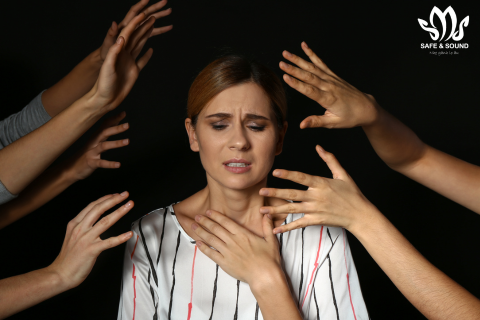
Generalized anxiety disorder is a common mental disorder.
2.2. Panic Disorder
According to psychiatrists, this is a type of anxiety disorder with panic attacks that appear suddenly, causing the patient to feel intense fear, rapid heartbeat, difficulty breathing, dizziness and a feeling of losing control. Panic attacks usually last for a few minutes but can leave aftershocks that last for hours afterward.
2.3. Obsessive-Compulsive Disorder (OCD)
People with obsessive-compulsive disorder often have persistent anxious thoughts about a particular problem (e.g., fear of germs, fear of losing control) and are forced to perform compulsive behaviors to reduce anxiety (repeated hand washing, repeatedly checking door locks).
2.4. Post-traumatic stress disorder (PTSD)
Psychiatrists say people who have experienced traumatic events such as accidents, loss of loved ones, or abuse may suffer from PTSD. According to psychologists, PTSD symptoms include reliving painful memories, having nightmares, and avoiding situations that remind them of the event.
3. How to treat anxiety disorders with chemicals and therapy
Anxiety disorders can be controlled with the right treatment. According to psychiatrists and psychologists, common treatments include medication and psychotherapy.
3.1. Drug treatment
Some groups of drugs prescribed by psychiatrists to treat anxiety disorders include:
- Antidepressants (SSRI, SNRI): This is a group of drugs commonly used to treat persistent anxiety disorders. They help regulate serotonin in the brain, thereby reducing anxiety levels.
- Benzodiazepines: These medications work quickly to reduce anxiety, but can be addictive if used long-term. Therefore, they are usually only prescribed by psychiatrists for emergency symptom control.
- Beta-blockers: Used to control physical symptoms of anxiety such as rapid heartbeat and shaking.
In addition to drug treatment, psychiatrists also advise patients to see psychologists for other psychological therapies.

Combination medication and psychotherapy improve patient condition
3.2. Psychotherapy
Psychotherapy is an important method in treating anxiety disorders. According to psychologists, some effective methods include:
- Cognitive-behavioral therapy (CBT): Helps patients identify and correct negative thinking that causes anxiety.
- Relaxation and meditation techniques: Support emotional stability and stress reduction.
- Exposure therapy: Used for people with specific fears, it helps them face and control their anxiety.
Combining medication and therapy can help people manage anxiety disorders more effectively.

4. How does Safe and Sound help people with anxiety disorders?

Safe and Sound Clinic - Family health and psychological support
With a team of experienced doctors and specialists, Safe and Sound Clinic is a pioneer in comprehensive health care with health care services from medicine to psychology.
“Early prevention - Timely support - Long-term companionship”.
If you have any doubts or experience any physical or mental health problems, please contact HOTLINE 0964 778 911 (Phone/Zalo, 24/7) for answers and support as soon as possible!
HOW TO MAKE AN APPOINTMENT for online or in-person consultation with an expert
- At SnS Clinic - IMT Institute
- Or download and schedule a consultation on the Safe and Sound app to manage and track your schedule anytime, anywhere.
Safe and Sound (SnS) - Institute of Applied Medical Technology (IMT)

Additional reading:
- When should you see a doctor for anxiety disorders?
- How does the 4-7-8 breathing technique reduce stress and anxiety disorders?
